
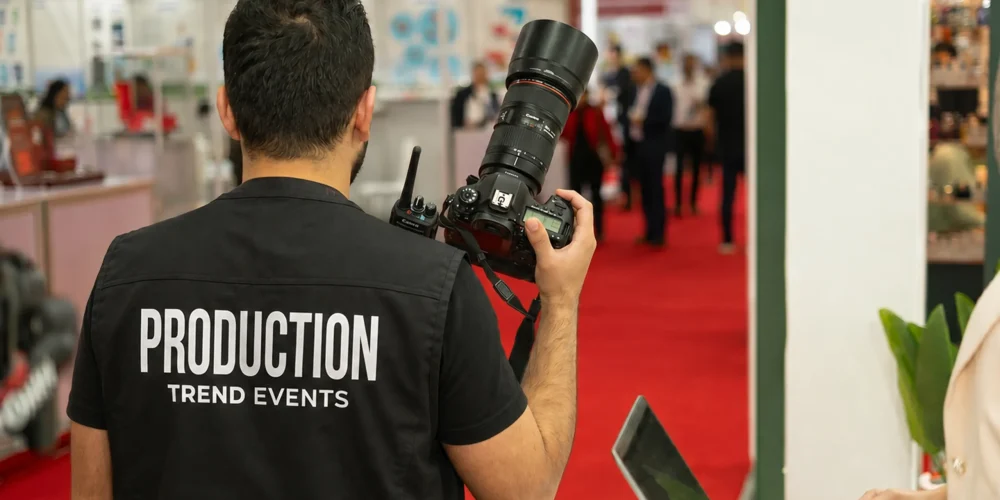
Event media coverage plays a crucial role in maximizing the reach and impact of any event. Whether it’s a corporate conference, product launch, trade show, charity fundraiser, or community gathering, effective event media coverage helps capture key moments, engage a wider audience, and build lasting brand awareness. By leveraging professional photography, videography, live streaming, social media updates, and press coverage, organizations can extend the value of their events far beyond the attendees present on the day itself.
Event media coverage refers to the process of documenting, promoting, and sharing an event through various media channels before, during, and after it takes place. It includes activities such as professional photography, videography, live streaming, social media updates, press releases, interviews, and news coverage.
The primary goal of event media coverage is to capture important moments and communicate the event’s message to a broader audience. Whether it is a corporate conference, product launch, festival, trade show, or charity event, effective media coverage helps increase visibility, enhance audience engagement, and create valuable content that can be used for future marketing efforts.
By investing in high-quality event media coverage, organizations can extend the lifespan of their events, strengthen their brand image, and reach people who could not attend in person. It also provides a lasting record of the event’s success while generating content that can be repurposed across websites, social media platforms, email campaigns, and promotional materials.
Event media coverage is essential for brands looking to maximize the value of their events and strengthen their market presence. While an event may last only a few hours or days, effective media coverage allows its impact to continue long after it ends.
Professional event media coverage helps brands reach audiences beyond the event venue. Through photos, videos, live streams, and social media content, businesses can showcase their activities to potential customers, partners, and stakeholders who were unable to attend.
High-quality coverage demonstrates professionalism and highlights a brand’s involvement in meaningful industry events. Media mentions, interviews, and press coverage can enhance trust and position the brand as a credible and authoritative voice within its sector.
Sharing event highlights across digital platforms encourages interaction from followers and attendees. Engaging content such as behind-the-scenes footage, live updates, and attendee testimonials helps create stronger connections with the target audience.
One of the biggest advantages of event media coverage is the creation of reusable content. Event photos, videos, interviews, and presentations can be repurposed for websites, blogs, social media campaigns, email marketing, and future promotional materials.
When attendees, influencers, and media outlets share event-related content, brands gain additional exposure. This extended reach can increase awareness, generate conversations, and attract new audiences organically.
Media coverage provides measurable insights through engagement metrics, audience reach, website traffic, and social media performance. These analytics help brands evaluate the effectiveness of their events and improve future marketing strategies.
By investing in professional event media coverage, brands can transform a single event into a long-term marketing asset that drives visibility, engagement, and business growth.
Although media coverage and regular event photography are often used together, they serve different purposes and deliver different results. Understanding the distinction can help organizations choose the right service for their event goals.
Regular event photography focuses primarily on capturing high-quality images of the event. A photographer documents key moments, attendees, speakers, activities, and venue details to create a visual record of the occasion.
The main objective is to provide professional photos that can be used for memories, marketing materials, company websites, social media posts, and future promotions.
Key Features of Event Photography:
Event media coverage goes beyond photography by capturing and distributing the event through multiple media formats and channels. It often includes photography, videography, live streaming, social media updates, interviews, press coverage, and content creation designed to maximize audience reach.
The goal is not only to document the event but also to promote it, engage audiences, and extend its impact before, during, and after the event.
Key Features of Event Media Coverage:
The biggest difference is that regular event photography documents the event, while event media coverage documents, promotes, and amplifies the event across multiple platforms.
For brands seeking greater visibility, audience engagement, and marketing value, event media coverage offers a more comprehensive solution. Photography remains an important component, but media coverage transforms event content into a strategic marketing asset that continues delivering value long after the event has ended.
Event media coverage comes in many forms, each designed to capture different aspects of an event and maximize its reach. Combining multiple coverage methods helps brands create a richer experience for attendees while engaging audiences beyond the event venue.
Professional photography is one of the most common forms of event media coverage. Photographers capture key moments, guest interactions, speakers, branding elements, and behind-the-scenes activities. These images can be used for marketing campaigns, websites, social media posts, and future event promotions.
Videography records the event in motion, helping brands tell a more complete story. Event videos may include keynote speeches, audience reactions, interviews, product demonstrations, and highlight reels that showcase the event’s success.
Live streaming allows organizations to broadcast events in real time to remote audiences. Platforms such as YouTube, LinkedIn, Facebook, and Instagram enable brands to expand their reach and engage viewers who cannot attend in person.
Real-time social media updates are a vital part of modern event media coverage. This includes posting photos, videos, stories, live updates, polls, and attendee-generated content across various social platforms to encourage engagement and increase visibility.
Press coverage involves working with journalists, media outlets, bloggers, and industry publications to generate publicity. News articles, interviews, and event features can significantly boost brand credibility and exposure.
Capturing interviews with speakers, sponsors, attendees, and industry experts adds valuable perspectives to event content. Testimonials can also serve as powerful marketing assets that build trust and social proof.
After the event, highlight videos summarize the most memorable moments in a concise and engaging format. These videos are highly effective for social media sharing, future promotions, and showcasing event success to stakeholders.
Behind-the-scenes content offers audiences an exclusive look at event preparation, team coordination, and special moments that may not be visible during the event itself. This type of content helps humanize a brand and create stronger audience connections.
For large-scale events, drone photography and videography provide unique aerial perspectives. Drone footage can showcase venue layouts, crowd participation, and the overall scale of the event in a visually impressive way.
Effective event media coverage continues after the event ends. Brands often transform event content into blog posts, case studies, newsletters, social media campaigns, and promotional materials that continue generating value long after the event is over.
By combining these different types of event media coverage, organizations can maximize audience engagement, strengthen brand awareness, and extend the impact of their events far beyond a single day.
Full event media coverage is a comprehensive service designed to capture, document, and promote every important aspect of an event. Rather than focusing on a single medium, it combines multiple content formats and distribution channels to maximize visibility, audience engagement, and long-term marketing value.
Effective event media coverage often begins before the event starts. This may include promotional videos, social media announcements, press releases, event teasers, and marketing content that helps build anticipation and attract attendees.
Photographers capture key moments throughout the event, including guest arrivals, speaker presentations, networking sessions, branding displays, and audience interactions. These high-quality images serve as valuable assets for future marketing efforts.
Video coverage records the event from multiple angles and captures presentations, performances, demonstrations, interviews, and audience engagement. Professional video content helps brands tell a compelling story and preserve important event highlights.
Many organizations include live streaming as part of their event media coverage strategy. Broadcasting the event in real time allows remote audiences to participate and significantly expands the event’s reach.
A dedicated media team may provide live social media updates throughout the event. This includes posting photos, short videos, stories, live updates, and audience interactions across platforms to increase engagement and online visibility.
Full coverage often includes interviews with keynote speakers, sponsors, organizers, and attendees. These insights add credibility and create valuable content that can be used for future promotional campaigns.
For larger events, media coverage may involve coordinating with journalists, bloggers, influencers, and industry publications. Press releases, media kits, and interviews help generate broader exposure and strengthen brand authority.
When appropriate, drone footage can provide stunning aerial views of the venue, crowd, and event activities. This content adds a professional and visually impressive element to the final media package.
After the event, media teams typically create a highlight video that showcases the most memorable moments. These recap videos are ideal for social media, websites, presentations, and future event promotions.
The value of event media coverage extends beyond the event itself. Content can be repurposed into blog articles, social media campaigns, email newsletters, case studies, promotional materials, and corporate reports to continue driving engagement and brand awareness.
At the conclusion of the project, clients usually receive edited photos, videos, highlight reels, interview recordings, and other digital assets organized for easy access and future use.
By combining these services, full event media coverage ensures that every important moment is captured, shared, and transformed into valuable marketing content that continues benefiting the brand long after the event has ended.
A successful event media coverage strategy involves much more than simply showing up with a camera. From planning and preparation to content delivery and promotion, every stage plays an important role in ensuring the event is captured effectively and its impact is maximized.
The process begins with a detailed discussion between the client and the media coverage team. During this stage, objectives, event details, target audience, key moments, and content requirements are identified. The team develops a coverage plan that aligns with the event’s goals and brand messaging.
Before the event, the media team prepares equipment, assigns responsibilities, reviews the venue layout, and creates a shot list. If promotional content is needed, pre-event photography, teaser videos, social media announcements, or press materials may also be produced.
On the event day, the media crew arrives early to inspect the venue and set up cameras, lighting, audio equipment, live-streaming systems, and other necessary tools. This preparation helps ensure smooth coverage throughout the event.
As the event unfolds, photographers and videographers capture key moments, including guest arrivals, presentations, networking sessions, performances, product demonstrations, and audience interactions. Simultaneously, social media teams may share real-time updates to increase online engagement.
During the event, the team may conduct interviews with speakers, sponsors, organizers, and attendees. These interviews provide valuable insights and create additional content that can be used across marketing channels after the event.
If live streaming is included, the event is broadcast to remote viewers in real time. The media team monitors stream quality, audience interactions, and technical performance to ensure a professional viewing experience.
After the event concludes, all photos, videos, audio recordings, and interview footage are reviewed and professionally edited. The editing process enhances quality, removes unnecessary content, and creates polished media assets ready for publication.
The media team compiles the best moments into highlight reels, recap videos, and promotional content. These materials help showcase the event’s success and provide engaging content for future marketing campaigns.
Once editing is complete, the final media assets are delivered to the client. This typically includes high-resolution photographs, edited videos, highlight reels, interview clips, and other content organized for easy use across multiple platforms.
The final stage of event media coverage focuses on maximizing the value of the captured content. Photos and videos can be repurposed into blog posts, social media campaigns, email newsletters, case studies, website content, and future event promotions, extending the event’s impact long after it ends.
A structured event coverage process ensures that every important moment is captured, professionally presented, and transformed into valuable marketing content. By following these steps, brands can achieve greater visibility, stronger audience engagement, and a higher return on their event investment.
Choosing the right event media coverage team can significantly impact the success of your event and the quality of the content produced. A skilled team does more than capture footage—they help tell your brand’s story, engage audiences, and create valuable marketing assets that deliver results long after the event ends.
Experience should be one of the first factors to consider. An established team will understand how to work in fast-paced event environments, anticipate important moments, and adapt quickly to changing conditions. Reviewing previous event projects can provide insight into their capabilities and style.
High-quality visuals are the foundation of effective event media coverage. Look for a team with a strong portfolio showcasing professional photography, cinematic video production, and the ability to capture both planned and spontaneous moments.
A reliable media coverage team should offer more than just photography. Services such as videography, live streaming, social media coverage, drone footage, interviews, and post-event content creation can help maximize the value of your event.
The best event media coverage teams understand that every event supports broader business objectives. They should be able to align their content with your brand identity, messaging, and marketing goals to ensure consistency across all channels.
Modern equipment contributes to better image quality, audio clarity, and overall production value. Ask about the cameras, audio systems, lighting equipment, live-streaming technology, and editing tools the team uses to ensure professional results.
Many events benefit from immediate content sharing. A team that can provide live social media updates, quick-turnaround photography, and real-time audience engagement can help increase visibility while the event is still taking place.
Effective communication is essential throughout the planning and execution process. The media team should be responsive, organized, and willing to collaborate closely with event organizers to understand priorities and expectations.
Capturing content is only part of the process. Professional editing transforms raw footage into polished photos, videos, highlight reels, and promotional assets. Review examples of their post-production work to assess quality and attention to detail.
Client feedback can reveal valuable information about reliability, professionalism, and overall service quality. Testimonials, case studies, and references can help you evaluate whether the team consistently delivers successful results.
Events rarely go exactly as planned. A strong event media coverage team should remain calm under pressure, adapt to unexpected challenges, and find creative solutions without disrupting the event experience.
Before hiring a team, ensure you understand exactly what will be delivered and when. A professional provider should clearly outline the number of photos, video deliverables, editing timelines, usage rights, and any additional services included in the package.
The right event media coverage team combines technical expertise, creative storytelling, and strategic marketing knowledge. By choosing professionals with experience, strong communication skills, and a comprehensive service offering, you can ensure your event is captured effectively and transformed into content that supports long-term brand growth.
The cost of event media coverage in Egypt can vary significantly depending on the type of event, coverage requirements, duration, location, and the experience level of the media team. Whether you’re organizing a corporate conference, product launch, exhibition, wedding, or private event, understanding the factors that influence pricing can help you plan your budget more effectively.
While prices differ between providers, the following ranges offer a general estimate:
| Service | Estimated Cost Range |
| Event Photography | EGP 3,000 – 15,000+ |
| Event Videography | EGP 5,000 – 25,000+ |
| Photography + Videography Package | EGP 8,000 – 40,000+ |
| Live Streaming Services | EGP 5,000 – 30,000+ |
| Drone Coverage | EGP 2,000 – 10,000+ |
| Highlight Video Production | EGP 3,000 – 20,000+ |
| Full Event Media Coverage Package | EGP 10,000 – 100,000+ |
Note: Prices are approximate and may vary based on project scope, equipment requirements, and service provider expertise.
A short event lasting a few hours will generally cost less than a full-day or multi-day conference. Longer events require additional staffing, equipment usage, and editing time.
Large-scale events often require multiple photographers, videographers, drone operators, editors, and social media specialists. More personnel typically means higher costs.
Basic photography packages are usually more affordable than comprehensive event media coverage that includes video production, live streaming, interviews, drone footage, and real-time social media management.
Travel expenses may affect pricing if the event is held outside major cities such as Cairo, Alexandria, or other metropolitan areas. Remote locations often require additional transportation and accommodation costs.
The complexity of post-production work can significantly influence the final price. Professional photo retouching, cinematic video editing, motion graphics, subtitles, and branded content creation require additional time and expertise.
Advanced equipment such as professional cinema cameras, multi-camera setups, drone systems, lighting rigs, and live-streaming technology can increase overall project costs.
For many organizations, professional event media coverage provides long-term value beyond the event itself. The content generated can be used across websites, social media channels, email campaigns, advertisements, presentations, and future event promotions. This extended marketing value often makes professional coverage a worthwhile investment.
By understanding pricing factors and selecting a team that aligns with your objectives, you can find an event media coverage solution in Egypt that fits both your budget and your marketing goals.
Social media has become one of the most powerful marketing channels for businesses, and professional event media coverage can significantly amplify its impact. By capturing and sharing engaging content in real time, brands can extend their reach, strengthen audience relationships, and create lasting visibility far beyond the event itself.
Event content provides a steady stream of photos, videos, live updates, and behind-the-scenes moments that can be shared across social media platforms. As attendees, partners, and followers interact with this content, your brand gains exposure to new audiences and potential customers.
Social media thrives on fresh, authentic content. Event media coverage creates a variety of engaging assets, including keynote highlights, speaker interviews, attendee reactions, product demonstrations, and event recap videos. These posts often attract higher engagement than standard promotional content.
When attendees share their own photos, videos, and experiences online, they help amplify your event’s reach. Branded hashtags, social media contests, and interactive experiences encourage participants to create content that promotes your brand organically.
Live event updates allow brands to interact with their audience in real time. Polls, comments, live streams, stories, and Q&A sessions encourage participation and help build stronger connections with both attendees and online followers.
Not everyone can attend an event in person. Through strategic event media coverage, brands can bring the experience to remote audiences via live streaming, video highlights, and social media updates. This expanded reach increases visibility and engagement across multiple markets.
Events offer opportunities to share authentic moments that highlight company culture, team collaboration, and customer interactions. Behind-the-scenes content helps humanize your brand and makes it more relatable to audiences on social media.
Professional event coverage demonstrates that your brand is active, engaged, and invested in its industry. Sharing successful events, expert speakers, and attendee experiences helps reinforce credibility and positions your organization as a trusted authority.
One event can generate weeks or even months of social media content. Photos, video clips, testimonials, interviews, and event highlights can be repurposed into future posts, campaigns, reels, stories, and promotional materials, maximizing the return on your investment.
Strategic social media posts can direct audiences to your website, landing pages, event recordings, or product offerings. This helps convert engagement into meaningful business opportunities, including inquiries, subscriptions, and sales.
A well-attended event filled with positive interactions creates powerful social proof. Sharing images of engaged attendees, industry experts, sponsors, and successful event moments demonstrates that people trust and value your brand.
Professional event media coverage transforms a single event into a powerful social media marketing asset. By creating engaging content, increasing visibility, encouraging audience participation, and generating long-term promotional opportunities, event coverage helps brands strengthen their online presence and achieve greater marketing success.
Investing in event media coverage is about more than capturing memorable moments—it’s about generating measurable business value. By tracking key performance indicators (KPIs), brands can evaluate the effectiveness of their coverage efforts and determine whether the investment contributed to marketing, engagement, and business objectives.
ROI (Return on Investment) measures the value generated from your event media coverage compared to the costs involved. This value may come in the form of increased brand awareness, social media engagement, website traffic, lead generation, customer acquisition, or long-term marketing assets.
One of the easiest ways to measure the impact of event media coverage is through social media analytics. Key metrics include:
Strong performance in these areas indicates that your event content successfully captured audience attention and expanded brand visibility.
Event-related content often drives visitors to your website. Use analytics tools to track:
An increase in website activity following the event can demonstrate the effectiveness of your media coverage strategy.
For many businesses, lead generation is a primary goal. Monitor:
Comparing lead volume before and after the event can help quantify the value generated by your coverage efforts.
If your event receives attention from journalists, bloggers, influencers, or industry publications, measure:
Positive media exposure can significantly increase the overall ROI of event media coverage.
Event videos often continue generating value long after the event ends. Key metrics include:
These insights help determine which types of content resonate most with your audience.
One major advantage of professional event media coverage is the amount of reusable content it creates. Consider the value of:
Repurposing event assets can significantly extend the return on your investment over time.
While brand awareness can be difficult to measure directly, useful indicators include:
These metrics help demonstrate the broader impact of your event coverage efforts.
To calculate ROI, compare the total cost of your event media coverage with the measurable outcomes achieved. Consider both direct returns, such as leads and sales, and indirect benefits, such as increased visibility, stronger credibility, and long-term content assets.
For a complete ROI analysis, focus on:
Measuring the ROI of event media coverage helps businesses understand the true value of their investment. By tracking engagement, visibility, lead generation, and content performance, brands can identify what works, optimize future strategies, and ensure that every event contributes to long-term marketing and business growth.
Professional event media coverage can deliver significant value, but achieving the best results requires careful planning and execution. By taking a strategic approach before, during, and after your event, you can maximize visibility, audience engagement, and long-term marketing benefits.
Start by defining what you want to achieve through your event media coverage. Your objectives may include increasing brand awareness, generating leads, promoting a product, attracting media attention, or creating content for future marketing campaigns. Clear goals help guide the coverage strategy and ensure all efforts support your business objectives.
Identify the key moments, speakers, activities, and branding elements that should be captured. A well-structured plan helps the media team prioritize important content and ensures no critical moments are missed during the event.
Work with experienced professionals who understand both content creation and marketing. A skilled team can capture high-quality visuals, adapt to changing event conditions, and create content that aligns with your brand identity.
Begin generating excitement before the event through social media posts, teaser videos, email campaigns, and press announcements. Pre-event promotion can increase attendance, boost engagement, and create anticipation among your audience.
Real-time updates keep audiences engaged and extend the event’s reach beyond the venue. Consider using live streaming, Instagram Stories, Facebook Live sessions, LinkedIn updates, and short video clips to connect with followers throughout the event.
Create opportunities for attendees to engage with your brand online. Branded hashtags, photo opportunities, contests, and interactive experiences can encourage user-generated content and increase social media visibility.
While keynote speeches and major presentations are important, don’t overlook networking sessions, attendee interactions, behind-the-scenes moments, and candid reactions. These authentic moments often generate highly engaging content.
Speaker interviews and attendee testimonials add credibility and provide valuable content for future marketing efforts. Positive feedback from participants can serve as powerful social proof for your brand.
Even the best event moments can lose impact if the production quality is poor. Ensure that professional cameras, microphones, lighting equipment, and editing tools are used to create polished content that reflects positively on your brand.
The value of event media coverage should continue long after the event ends. Transform photos, videos, interviews, and highlights into blog posts, social media campaigns, email newsletters, case studies, website content, and promotional materials.
Review engagement rates, website traffic, lead generation, social media reach, video views, and other key performance indicators. Analyzing results helps identify successful strategies and improve future event coverage efforts.
Continue sharing event-related content in the weeks following the event. Highlight key takeaways, publish recap videos, share photo galleries, and engage with attendees online to keep the conversation going and maximize long-term impact.
Successful event media coverage requires more than simply documenting what happens. By planning strategically, creating engaging content, encouraging audience participation, and repurposing assets after the event, brands can maximize the value of their investment and turn a single event into a powerful long-term marketing resource.
Event media coverage is the process of documenting and promoting an event through photography, videography, live streaming, social media content, interviews, and press coverage. Its purpose is to capture key moments and extend the event’s reach beyond attendees.
Event media coverage helps increase brand visibility, engage audiences, build credibility, and create valuable marketing content that can be used long after the event has ended.
Services typically include professional photography, videography, live streaming, social media coverage, interviews, drone footage, highlight videos, and post-event content creation.
Event photography focuses on capturing still images, while event media coverage is a broader service that includes photography, video production, content distribution, social media engagement, and promotional activities.
Costs vary based on event size, duration, location, and required services. Basic photography packages may start at a few thousand Egyptian pounds, while comprehensive event media coverage packages can range significantly higher depending on project scope.
Yes. Event media coverage provides a continuous stream of photos, videos, live updates, and audience-generated content that can boost engagement, increase reach, and strengthen your brand’s social media presence.
In many cases, yes. Live streaming is a popular addition that allows organizations to reach remote audiences and increase participation beyond the physical event venue.
Delivery times vary depending on the project. Photos are often delivered within a few days, while edited videos and highlight reels may take one to several weeks depending on complexity.
Corporate conferences, product launches, trade shows, exhibitions, festivals, charity events, networking events, educational seminars, and private celebrations can all benefit from professional event media coverage.
Success can be measured through social media engagement, website traffic, lead generation, media mentions, video views, audience reach, and overall return on investment (ROI).
Absolutely. Even smaller events can generate valuable content, improve brand awareness, and help businesses connect with customers through professional visual storytelling.
Look for experience, a strong portfolio, professional equipment, marketing knowledge, positive client reviews, clear deliverables, and the ability to provide comprehensive coverage services.
In today’s digital-first world, professional event media coverage is no longer a luxury—it’s an essential part of a successful event strategy. From photography and videography to live streaming, social media content, and press exposure, comprehensive coverage helps brands capture important moments, engage wider audiences, and maximize the value of every event.
Whether you’re hosting a corporate conference, product launch, trade show, or community gathering, investing in high-quality event media coverage can significantly enhance brand visibility, strengthen credibility, and generate valuable content for future marketing campaigns. By choosing the right media team, setting clear objectives, and measuring performance, businesses can transform a single event into a long-term marketing asset that continues delivering results long after the event has ended.
Ultimately, effective event media coverage ensures that your event’s impact extends beyond the venue, helping you connect with more people, build stronger relationships, and achieve your marketing goals with greater success.